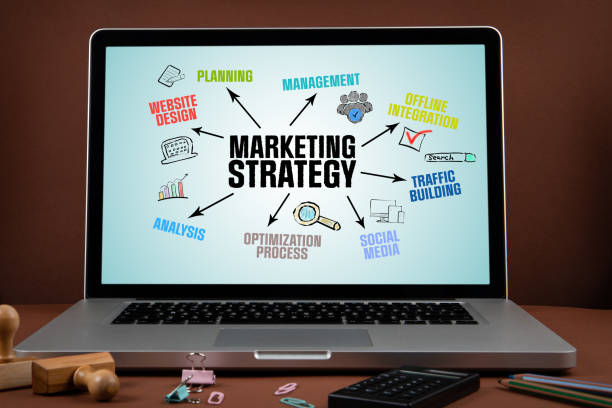
Growing a business online requires more than simply creating a website or opening social media accounts. With increasing competition across nearly every industry, businesses need a clear plan for attracting the right audience, building trust, and turning visitors into customers.
Effective Digital Marketing Strategies can help businesses increase visibility, generate qualified leads, strengthen customer relationships, and improve sales. Whether you run a small business, an online store, or a growing company, the following proven strategies can help you build a stronger online presence.
1. Improve Your Search Engine Optimization
Search engine optimization, or SEO, helps your website appear in search results when potential customers look for products, services, or information related to your business.
A strong SEO strategy starts with understanding what your target audience is searching for. Use relevant keywords naturally throughout your website, including in page titles, headings, product descriptions, blog posts, and meta descriptions.
You should also focus on technical factors such as:
- Improving website loading speed
- Making your website mobile-friendly
- Creating clear and simple navigation
- Fixing broken links
- Using descriptive URLs
- Adding internal links between related pages
SEO is one of the most valuable Digital Marketing Strategies because it can generate consistent organic traffic over time without requiring you to pay for every visitor.
2. Create High-Quality Content
Content marketing allows you to educate, inform, and engage your audience while demonstrating your expertise.
Instead of focusing only on selling, create useful content that answers your customers’ questions and solves their problems. This may include blog posts, guides, videos, infographics, tutorials, case studies, or frequently asked questions.
For example, a fitness business could publish articles about workout routines, healthy habits, and exercise tips. A software company could create tutorials explaining how to solve common business problems.
High-quality content can improve your search rankings, attract new visitors, and encourage people to return to your website.
The most successful content is usually:
- Relevant to your target audience
- Easy to understand
- Accurate and useful
- Optimized for search engines
- Focused on solving a specific problem
Consistency is also important. Publishing valuable content regularly can help establish your business as a trusted source of information.
3. Build a Strong Social Media Presence
Social media gives businesses an opportunity to communicate directly with customers and reach new audiences.
Platforms such as Facebook, Instagram, LinkedIn, TikTok, YouTube, and Pinterest can be effective depending on your industry and customer demographics.
You do not need to be active on every platform. Instead, identify where your ideal customers spend their time and focus your efforts there.
Your social media content can include:
- Educational tips
- Product demonstrations
- Customer testimonials
- Behind-the-scenes content
- Short videos
- Industry news
- Special promotions
- Questions and polls
One of the most effective Digital Marketing Strategies on social media is encouraging interaction. Respond to comments, answer questions, and communicate with followers rather than simply posting promotional messages.
This helps create stronger relationships and increases customer trust.
4. Use Email Marketing
Email marketing remains an effective way to communicate with people who have already shown interest in your business.
Start by building an email list through your website. You can encourage visitors to subscribe by offering something useful, such as a discount, free guide, checklist, webinar, or exclusive content.
Once people join your list, send emails that provide genuine value.
Examples include:
- Helpful tips
- Product updates
- Special offers
- New blog posts
- Company announcements
- Personalized recommendations
- Abandoned-cart reminders
Avoid sending promotional emails too frequently. Your goal should be to build a relationship with subscribers rather than constantly asking them to make a purchase.
Email automation can also help you send relevant messages based on customer actions. For example, new subscribers can receive a welcome series while previous customers can receive follow-up recommendations.
5. Invest in Pay-Per-Click Advertising
Pay-per-click advertising, commonly known as PPC, allows businesses to display advertisements to specific audiences and pay when someone clicks the ad.
Google Ads can help businesses appear in search results for valuable keywords, while platforms such as Facebook, Instagram, LinkedIn, and YouTube allow advertisers to target users based on interests, demographics, and behaviors.
Successful PPC campaigns require careful planning.
Focus on:
- Choosing relevant keywords
- Targeting the right audience
- Writing clear advertisements
- Creating effective landing pages
- Setting realistic budgets
- Tracking conversions
- Testing different advertisements
Avoid focusing only on clicks. A campaign that generates thousands of visitors but very few customers may not be profitable.
Instead, measure results such as leads, sales, conversion rates, and return on advertising spend.
6. Optimize Your Website for Conversions
Driving traffic to your website is only part of digital marketing. Your website must also encourage visitors to take action.
Conversion rate optimization focuses on improving the percentage of visitors who complete a desired action, such as purchasing a product, requesting a quote, booking an appointment, or joining an email list.
Start by making your website simple and easy to use.
Important elements include:
- Clear headlines
- Simple navigation
- Strong calls to action
- Professional design
- Easy-to-read content
- Customer reviews
- Secure payment options
- Simple contact forms
Your calls to action should clearly tell visitors what to do next. Examples include “Get a Free Quote,” “Start Your Free Trial,” “Shop Now,” or “Book an Appointment.”
Small improvements to your website can sometimes lead to significant improvements in conversions.
7. Use Video Marketing
Video has become an important part of many successful Digital Marketing Strategies because it can explain information quickly and keep audiences engaged.
Businesses can use video content for:
- Product demonstrations
- Educational tutorials
- Customer testimonials
- Frequently asked questions
- Interviews
- Behind-the-scenes content
- Short social media videos
- Live events
You do not always need expensive equipment or professional production. Clear audio, useful information, and good lighting are often more important than complicated editing.
Short videos can work particularly well on social media, while longer educational videos can help businesses build authority and trust.
You can also reuse video content. For example, one long video can be turned into several short social media clips, blog content, and email material.
8. Build Trust With Online Reviews
Before purchasing from an unfamiliar business, many customers look for reviews and testimonials.
Positive reviews provide social proof and can make potential customers feel more confident about choosing your company.
Encourage satisfied customers to leave honest feedback on relevant platforms. You can request reviews through follow-up emails, receipts, thank-you pages, or customer service interactions.
You should also respond professionally to reviews.
Thank customers for positive feedback, and when someone leaves a negative review, respond calmly and attempt to resolve the issue.
Never purchase fake reviews. Authentic customer feedback is much more valuable for building long-term credibility.
You can also feature strong testimonials on your website, landing pages, and marketing materials.
9. Use Influencer and Partnership Marketing
Working with influencers, content creators, or complementary businesses can introduce your brand to new audiences.
Influencer marketing does not always require working with celebrities or accounts with millions of followers. Smaller creators with engaged audiences can sometimes produce stronger results because their followers may trust their recommendations.
When choosing a partner, look beyond follower numbers.
Consider:
- Audience relevance
- Engagement levels
- Content quality
- Brand reputation
- Communication style
- Previous partnerships
You can collaborate through sponsored content, product reviews, giveaways, affiliate programs, webinars, or joint promotions.
The most effective partnerships feel natural and provide value to both audiences.
10. Track Your Results and Improve Your Strategy
One of the biggest advantages of digital marketing is the ability to measure performance.
Instead of guessing whether your marketing is working, use analytics to understand what produces results.
Important metrics may include:
- Website traffic
- Search engine rankings
- Conversion rates
- Cost per lead
- Customer acquisition cost
- Email open and click rates
- Social media engagement
- Advertising return on investment
- Online sales
The metrics you track should match your business goals.
For example, if your goal is increasing sales, website traffic alone does not tell the complete story. You should also measure how many visitors become customers and how much revenue those customers generate.
Review your marketing performance regularly. Continue investing in strategies that work, improve campaigns that show potential, and stop spending resources on activities that consistently produce poor results.
How to Choose the Right Digital Marketing Strategies
Not every strategy will produce the same results for every business.
A local service company may benefit heavily from SEO, customer reviews, and Google advertising. An online fashion brand may receive stronger results from Instagram, TikTok, influencer partnerships, and email marketing.
Start by understanding three things:
Your audience: Who are your ideal customers, and where do they spend time online?
Your goals: Are you trying to increase website traffic, generate leads, build brand awareness, or increase sales?
Your resources: How much time, money, and expertise can you realistically invest?
Instead of attempting every marketing tactic at once, select a few Digital Marketing Strategies that closely match your goals. Measure the results and expand gradually.
Final Thoughts
Successful online growth rarely comes from a single marketing tactic. Businesses achieve stronger results when several Digital Marketing Strategies work together.
SEO can bring potential customers to your website. Valuable content can build trust. Social media can increase engagement. Email marketing can strengthen customer relationships. Paid advertising can accelerate traffic, while conversion optimization can turn more visitors into customers.
The key is consistency and continuous improvement.
Start with the strategies that make the most sense for your audience and business goals. Track your performance, learn from the results, and adjust your approach over time.
With the right Digital Marketing Strategies, your business can build a stronger online presence, reach more potential customers, and create sustainable long-term growth.