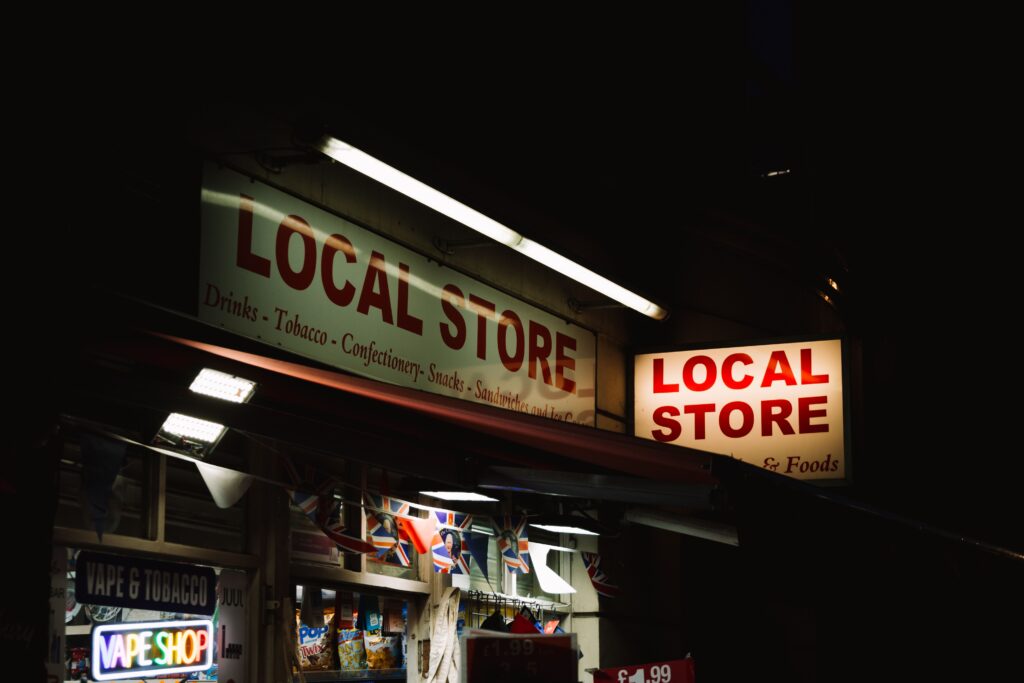
Attracting customers in your local area can be one of the most effective ways to grow a small or service-based business. Whether you run a restaurant, salon, repair company, retail store, clinic, or professional service, strong local marketing strategies can help you reach people who are most likely to visit, call, book, or buy from you.
Local marketing focuses on promoting your business to customers within a specific geographic area. The goal is to make your company easy to find, build trust in your community, and turn nearby prospects into loyal customers.
Here are practical local marketing strategies you can use to attract more customers.
1. Optimize Your Google Business Profile
One of the most important steps in local marketing is making sure your business can be found when people search nearby.
Your business profile should include accurate information such as:
- Business name
- Address
- Phone number
- Website
- Opening hours
- Products or services
- Photos
- Business category
Keep the information updated whenever something changes.
Adding quality photos of your location, products, team, or completed work can also make your business more attractive to potential customers.
A complete and accurate profile can help people understand what your business offers before they contact you.
2. Improve Your Local SEO
Local search engine optimization helps your website appear when people search for products or services in your area.
For example, a customer may search for:
- Dentist near me
- Best bakery in my city
- Local plumber
- Hair salon nearby
- Car repair in my area
To improve local SEO, include relevant location information naturally throughout your website.
You can create pages or content related to:
- Your city
- Neighborhoods you serve
- Local services
- Frequently asked customer questions
Avoid adding location keywords unnaturally. Your content should remain useful and easy to read.
3. Ask Customers for Reviews
Customer reviews are an important part of many local marketing strategies because they help build trust.
Potential customers often want to know whether other people had a positive experience before choosing a local business.
Encourage satisfied customers to leave honest reviews.
You can ask through:
- Follow-up emails
- Text messages
- Receipts
- Thank-you pages
- In-person conversations
Make the process simple.
You should also respond professionally to reviews whenever possible.
Thank customers for positive feedback and handle negative feedback calmly. A helpful response can show potential customers that your business cares about customer service.
4. Create Location-Specific Website Content
If your business serves more than one area, create useful content for the locations you serve.
For example, a cleaning company could create pages covering services in different cities or neighborhoods.
Each page should contain useful information rather than simply changing the city name.
You can include:
- Services available in the area
- Local customer needs
- Service boundaries
- Contact information
- Frequently asked questions
Location-specific pages can help potential customers find information that is directly relevant to them.
5. Use Social Media to Connect With Your Community
Social media can help local businesses build relationships with nearby customers.
Share content that connects your brand with the community.
Examples include:
- Local events
- Customer stories
- Team introductions
- Behind-the-scenes content
- New products
- Special offers
- Local tips
- Community partnerships
Use location tags when appropriate and participate in relevant local conversations.
The goal is not simply to advertise. Social media should help people become familiar with your business.
6. Run Location-Targeted Advertising
Paid advertising can help you reach people within a specific geographic area.
Many advertising platforms allow businesses to target users based on location.
You might target:
- A city
- Neighborhood
- Postal code
- Specific radius around your business
This can help prevent your advertising budget from being spent on people who live too far away to become customers.
For example, a local restaurant may only need to advertise to people within a reasonable driving or delivery distance.
Location targeting is especially useful for businesses that rely on local customers.
7. Create Special Offers for Local Customers
Promotions can encourage people to try your business.
Possible local offers include:
- New-customer discounts
- Seasonal promotions
- Buy-one-get-one offers
- Free consultations
- Loyalty rewards
- Limited-time discounts
Make the offer easy to understand.
Avoid running promotions constantly, because customers may begin expecting discounted prices.
Use special offers strategically to attract new customers or encourage repeat purchases.
8. Start a Local Referral Program
Word-of-mouth recommendations can be extremely valuable for local businesses.
A referral program encourages satisfied customers to tell friends, relatives, neighbors, or coworkers about your company.
You could offer:
- Discounts
- Store credit
- Free products
- Loyalty points
- Service upgrades
For example, a salon might give an existing customer a discount when someone they referred books their first appointment.
Keep the program simple so customers understand how they can participate.
9. Partner With Other Local Businesses
Partnerships can help businesses reach new customers without spending large amounts on advertising.
Look for companies that serve similar audiences without directly competing with you.
Examples include:
- A gym partnering with a nutrition business
- A wedding photographer partnering with an event planner
- A bakery partnering with a coffee shop
- A real estate agent partnering with a moving company
You can create:
- Joint promotions
- Referral partnerships
- Events
- Giveaways
- Product bundles
Successful partnerships should provide value to both businesses and their customers.
10. Participate in Community Events
Local events provide an opportunity to meet potential customers face to face.
Consider participating in:
- Festivals
- Fairs
- Markets
- Charity events
- Business networking events
- Community celebrations
- Trade shows
You may be able to sponsor an event, rent a booth, provide samples, or offer demonstrations.
Community involvement can make your business more visible and help people remember your brand.
11. Use Local Email Marketing
Email marketing can help local businesses maintain relationships with customers.
Build an email list through your website, store, booking system, or events.
Send useful messages such as:
- Local promotions
- Upcoming events
- New products
- Special hours
- Helpful tips
- Customer rewards
Segmenting your email list can make your messages more relevant.
For example, you may send different promotions to new customers and loyal customers.
12. Create a Customer Loyalty Program
Attracting new customers is important, but keeping existing customers can also support long-term growth.
A loyalty program encourages customers to return.
You might offer:
- Points for purchases
- Free products after several visits
- Member discounts
- Birthday rewards
- Exclusive offers
Keep the program easy to use.
Customers should quickly understand what they need to do and what they will receive.
13. Use Local Influencers
Local creators can help introduce your business to people in your community.
You do not always need influencers with huge audiences.
A smaller creator with an engaged local following may be more useful than a large creator whose followers live in different locations.
Look for influencers who:
- Live in your area
- Create relevant content
- Have genuine engagement
- Match your brand
- Reach your target customers
Local influencer partnerships may include reviews, demonstrations, visits, or sponsored content.
14. Make Your Website Mobile-Friendly
Many customers search for local businesses using smartphones.
Your website should therefore work properly on mobile devices.
Make sure:
- Pages load quickly
- Text is easy to read
- Buttons are easy to tap
- Phone numbers are clickable
- Contact information is easy to find
- Forms are simple
A poor mobile experience can cause potential customers to leave before contacting your business.
15. Keep Your Business Information Consistent
Your business details should be consistent across the internet.
Make sure your:
- Business name
- Address
- Phone number
- Website
- Opening hours
are accurate wherever they appear.
Inconsistent information can confuse customers and make your business look less reliable.
Review your listings regularly and update outdated information.
16. Use Local Content Marketing
Content marketing can support your local marketing strategies by answering questions that matter to nearby customers.
You could create content such as:
- Local guides
- Community news
- How-to articles
- Frequently asked questions
- Seasonal advice
- Local case studies
For example, a landscaping business could publish an article about the best plants for its local climate.
Useful local content can attract search traffic while demonstrating your expertise.
17. Make Contact Easy
Customers should never have difficulty figuring out how to contact your business.
Clearly display your:
- Phone number
- Address
- Contact form
- Booking button
- Opening hours
Use clear calls to action such as:
- Call Now
- Book Today
- Get Directions
- Request a Quote
- Schedule an Appointment
Removing unnecessary steps can increase the number of people who contact you.
18. Use Signs and Offline Marketing
Digital marketing is important, but offline promotion can still work well for local businesses.
Consider using:
- Storefront signs
- Flyers
- Business cards
- Posters
- Local newspaper advertising
- Direct mail
- Vehicle branding
Offline marketing can be particularly effective when your customers live or work near your business.
You can also connect offline campaigns with your website or social media channels.
19. Support Local Causes
Community involvement can help build positive relationships with customers.
Your business could support:
- Schools
- Sports teams
- Charities
- Community programs
- Local events
Choose causes that genuinely fit your business and values.
Avoid treating community support purely as an advertising opportunity.
Authentic involvement can strengthen your reputation over time.
20. Track Your Local Marketing Results
Measuring your results helps you understand which local marketing strategies are actually generating customers.
Track information such as:
- Website visits
- Phone calls
- Form submissions
- Appointment bookings
- Store visits
- Coupon usage
- Leads
- Sales
- Customer reviews
Ask new customers how they heard about your business.
This simple question can provide useful information about which marketing channels are working.
Low-Cost Local Marketing Strategies
Local marketing does not always require a large budget.
Low-cost ideas include:
- Asking satisfied customers for reviews
- Posting useful social media content
- Joining local community groups
- Creating referral partnerships
- Publishing local blog content
- Attending networking events
- Building an email list
- Encouraging word-of-mouth recommendations
Consistency is often more important than spending large amounts of money.
Common Local Marketing Mistakes to Avoid
Businesses can reduce their results by making simple mistakes.
Avoid:
- Using incorrect contact information
- Ignoring customer reviews
- Targeting areas too far from your business
- Creating low-quality location pages
- Posting only promotional content
- Ignoring mobile users
- Failing to measure results
- Trying too many strategies at once
Focus on the marketing methods that are most relevant to your audience and location.
How to Create a Simple Local Marketing Plan
You can build a practical local marketing plan in a few steps.
Start by defining your target area and ideal customer.
Then:
- Optimize your business listings.
- Improve your local SEO.
- Ask customers for reviews.
- Choose one or two social platforms.
- Create useful local content.
- Build referral partnerships.
- Test local advertising.
- Track leads and sales.
- Review your results regularly.
- Invest more in the strategies that work.
You do not need to implement everything immediately.
Start with the activities that are most likely to bring customers through your door.
Final Thoughts
Effective local marketing strategies can help businesses attract nearby customers, build stronger community relationships, and increase sales.
Start by making your business easy to find online. Improve your local SEO, maintain accurate business information, collect customer reviews, and create useful content.
You can then expand your efforts through social media, referral programs, local partnerships, targeted advertising, email marketing, and community events.
The most successful local marketing strategies focus on visibility, trust, and convenience. When customers can easily find your business, understand what you offer, and feel confident choosing you, you have a stronger foundation for consistent local growth.