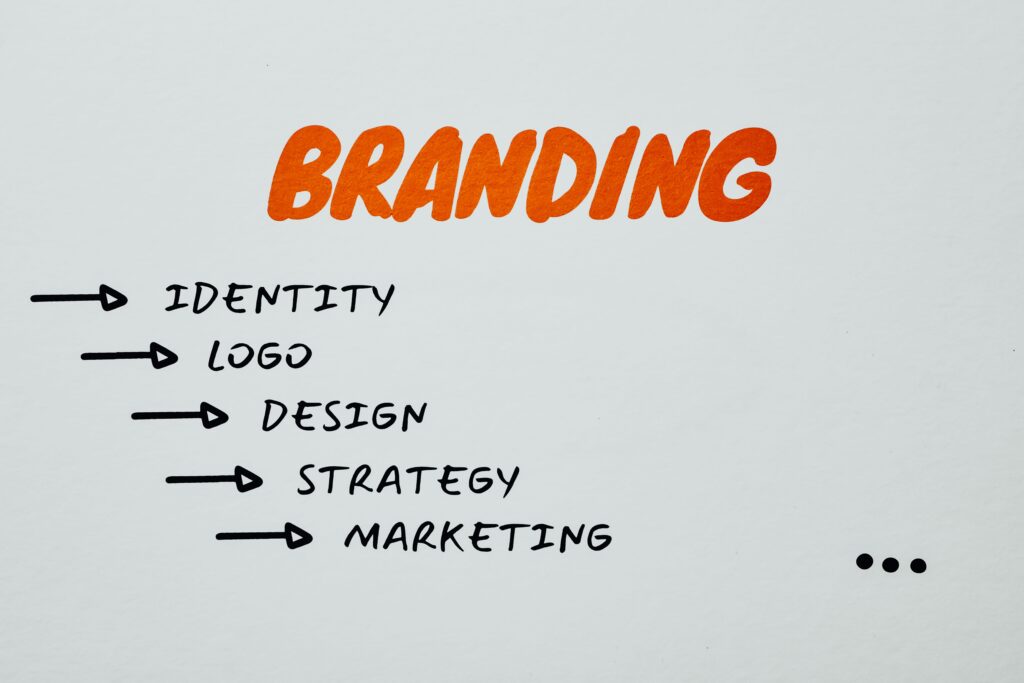
Building a strong brand is one of the most important steps in growing a business. A brand is more than a logo, color scheme, or company name. It represents how customers see your business, what they expect from you, and why they should choose you instead of a competitor.
A successful brand creates trust, makes your business easier to recognize, and helps customers remember what makes you different.
Whether you are starting a new company or improving an existing one, this guide explains how to build a successful brand for your business step by step.
What Is a Brand?
A brand is the overall identity and reputation of your business.
It includes elements such as:
- Business name
- Logo
- Colors
- Fonts
- Brand voice
- Values
- Customer experience
- Marketing messages
- Reputation
Your brand is also influenced by how customers feel after interacting with your business.
For example, two companies may sell similar products, but customers may prefer one because it feels more trustworthy, professional, affordable, innovative, or customer-focused.
A successful brand creates a clear and consistent impression.
Why Is Branding Important?
Strong branding helps customers understand who you are and why your business matters.
Effective branding can help you:
- Increase brand awareness
- Build customer trust
- Differentiate from competitors
- Attract your ideal customers
- Improve customer loyalty
- Support marketing campaigns
- Increase perceived value
- Create long-term business growth
Without a clear brand, your business may look similar to competitors and become difficult for customers to remember.
1. Define Your Brand Purpose
Start by understanding why your business exists.
Your brand purpose should explain the value you want to provide beyond simply making money.
Ask yourself:
- Why did I start this business?
- What problem do I solve?
- Who do I want to help?
- What difference do I want to make?
For example, a healthy food company may have a purpose of helping busy people eat nutritious meals without spending hours cooking.
A clear purpose provides direction for your messaging, products, and customer experience.
2. Identify Your Target Audience
You cannot build a strong brand without knowing who you want to attract.
Research your ideal customers.
Consider factors such as:
- Age
- Location
- Income
- Interests
- Needs
- Challenges
- Buying habits
- Preferred communication channels
Understanding your audience helps you create branding that connects with the right people.
For example, a luxury fashion company will usually use a different visual identity and tone than a budget clothing brand targeting students.
Your brand should reflect the expectations and preferences of your ideal customers.
3. Research Your Competitors
Competitor research helps you understand how other businesses position themselves.
Study their:
- Websites
- Logos
- Colors
- Marketing messages
- Social media
- Customer reviews
- Pricing
- Products or services
Look for patterns in your industry.
Then identify opportunities to be different.
The goal is not to copy successful competitors.
Instead, determine how your business can provide something distinctive.
A successful brand should be recognizable without looking exactly like everyone else in the market.
4. Create a Clear Value Proposition
Your value proposition explains why customers should choose your business.
It should answer three simple questions:
- What do you offer?
- Who is it for?
- Why is it valuable?
For example:
“We help small businesses manage their finances with simple accounting software that saves time and reduces paperwork.”
This message clearly explains the customer, product, and benefit.
Keep your value proposition simple and easy to understand.
Customers should quickly know what your business can do for them.
5. Define Your Brand Personality
Your brand personality is the human character your business communicates.
Your brand might be:
- Professional
- Friendly
- Bold
- Innovative
- Reliable
- Luxurious
- Playful
- Simple
Choose characteristics that match your audience and industry.
For example, a children’s toy company may use a playful and energetic personality, while a financial consulting company may focus on professionalism, clarity, and trust.
Your brand personality should influence everything from website copy to social media posts.
6. Choose a Memorable Business Name
Your business name is an important part of your identity.
A strong name should ideally be:
- Easy to pronounce
- Easy to remember
- Relevant to your business
- Distinctive
- Easy to spell
Avoid unnecessarily complicated names.
Before choosing a name, research whether it is already being used by another business and whether suitable website domains and social media usernames are available.
Your name should support long-term growth rather than limit your company unnecessarily.
7. Design a Professional Logo
Your logo is one of the most recognizable elements of your brand.
A good logo should be:
- Simple
- Clear
- Memorable
- Versatile
- Easy to recognize
It should work across different formats, including:
- Websites
- Social media
- Business cards
- Packaging
- Advertisements
- Signs
Avoid adding too many details.
Simple logos are often easier for customers to recognize and remember.
8. Choose Your Brand Colors
Colors can influence how people perceive your business.
Different colors may communicate qualities such as:
- Energy
- Trust
- Elegance
- Creativity
- Nature
- Simplicity
Choose a small color palette that reflects your brand personality.
For example, a wellness company may use soft natural colors, while a technology company might use clean and modern combinations.
Use your colors consistently across all marketing materials.
Consistency helps customers recognize your brand more quickly.
9. Select Consistent Fonts
Typography is another important part of your visual identity.
Choose fonts that match your brand personality and remain easy to read.
You may use:
- One font for headings
- One font for body text
- An optional accent font
Avoid using too many different typefaces.
Consistent typography makes your website, social media graphics, advertisements, and printed materials look more professional.
10. Develop Your Brand Voice
Your brand voice determines how your business communicates.
For example, your voice could be:
- Friendly and conversational
- Professional and authoritative
- Simple and educational
- Energetic and entertaining
Use the same general communication style across:
- Website content
- Emails
- Social media
- Advertisements
- Customer support
A consistent voice helps customers become familiar with your brand.
11. Create a Strong Brand Message
Your brand message should communicate the main ideas you want customers to remember.
It may include:
- Your value proposition
- Main customer benefits
- Company mission
- Key differences from competitors
- Brand promise
Keep important messages consistent.
If your website says your brand focuses on affordability while advertisements position it as premium luxury, customers may become confused.
A successful brand communicates a clear message across every channel.
12. Tell Your Brand Story
People often connect with stories more easily than advertisements.
Your brand story can explain:
- Why the business started
- The problem you wanted to solve
- Challenges you experienced
- What you believe in
- What you hope to achieve
Keep your story authentic and relevant to customers.
Your brand story should help people understand the purpose behind the business rather than simply provide a company history.
13. Build a Professional Website
Your website is often one of the first places customers interact with your brand.
Make sure it reflects your identity clearly.
Your website should include:
- Brand colors
- Logo
- Consistent fonts
- Clear messaging
- Product or service information
- Contact details
- Strong calls to action
It should also be:
- Fast
- Mobile-friendly
- Easy to navigate
- Secure
Visitors should quickly understand who you are and what you offer.
14. Be Consistent Across Every Platform
Consistency is essential when building a successful brand.
Customers should receive a similar experience whether they interact with you through:
- Your website
- Social media
- Advertising
- Packaging
- Customer service
- Physical locations
Use consistent:
- Colors
- Fonts
- Logos
- Messaging
- Tone of voice
- Visual styles
This repeated exposure makes your brand easier to recognize.
15. Create Valuable Content
Content marketing can strengthen your brand by demonstrating knowledge and helping customers.
Useful content may include:
- Blog posts
- Videos
- Guides
- Social media posts
- Podcasts
- Email newsletters
- Tutorials
Focus on topics that matter to your target audience.
For example, a financial services company might create content about budgeting, saving, investing, or managing business expenses.
Helpful content can build trust while increasing brand visibility.
16. Use Social Media to Build Your Brand
Social media gives businesses an opportunity to communicate directly with customers.
Choose platforms that match your target audience.
Share content such as:
- Helpful tips
- Customer stories
- Behind-the-scenes content
- Product demonstrations
- Company updates
- Educational videos
Keep your brand identity consistent in your profile images, graphics, and communication style.
Social media works best when businesses focus on relationships rather than constant promotion.
17. Deliver a Strong Customer Experience
Branding is not only about appearance.
Customer experience has a major influence on your reputation.
Focus on:
- Fast communication
- Reliable service
- Clear information
- Easy purchasing
- Helpful support
- Consistent quality
A beautiful logo cannot compensate for poor customer service.
Customers often remember how a business made them feel.
A positive experience can lead to repeat purchases, referrals, and stronger loyalty.
18. Build Customer Trust
Trust is essential for a successful brand.
You can strengthen trust through:
- Customer reviews
- Testimonials
- Clear policies
- Secure payment options
- Honest communication
- Reliable service
- Transparent pricing
Avoid making promises you cannot keep.
Trust usually develops over time through consistent positive experiences.
19. Encourage Customer Reviews
Reviews help potential customers understand what other people think about your brand.
Encourage satisfied customers to leave honest feedback.
Positive reviews can help:
- Build credibility
- Increase customer confidence
- Improve local visibility
- Support purchasing decisions
Respond professionally to both positive and negative reviews.
How you handle customer feedback is also part of your brand.
20. Create Brand Guidelines
Brand guidelines help keep your identity consistent.
Your guidelines can explain how to use:
- Logo
- Colors
- Fonts
- Photography
- Graphics
- Tone of voice
- Messaging
For example, guidelines might specify the exact colors used in your logo and the fonts allowed in marketing materials.
Brand guidelines become particularly valuable as your team grows or you work with designers, writers, and marketing agencies.
21. Differentiate Your Business
Strong branding requires a clear reason for customers to remember you.
Think about what makes your business different.
It might be:
- Better customer service
- Higher product quality
- Faster delivery
- Specialized expertise
- Simpler technology
- Competitive pricing
- Unique design
Avoid trying to compete on every possible benefit.
Choose a few meaningful qualities and make them central to your brand.
22. Build an Emotional Connection
Customers sometimes choose brands for reasons beyond price and product features.
They may connect with:
- Values
- Lifestyle
- Identity
- Community
- Aspirations
Think about how you want customers to feel when they interact with your business.
You might want them to feel:
- Confident
- Inspired
- Relaxed
- Excited
- Secure
- Supported
Emotional connections can make brands more memorable.
23. Create a Community Around Your Brand
Building a community can strengthen customer loyalty.
You can encourage interaction through:
- Social media groups
- Email newsletters
- Events
- Online communities
- Loyalty programs
- Customer challenges
Give customers opportunities to interact with your business and each other.
A strong community can also generate referrals and user-created content.
24. Protect Your Brand Reputation
Your reputation can significantly influence long-term success.
Monitor:
- Customer reviews
- Social media mentions
- Customer complaints
- Public feedback
Respond professionally when problems occur.
If your business makes a mistake, address it honestly and explain how you plan to solve the problem.
Trying to ignore legitimate complaints can cause more damage than acknowledging and correcting them.
25. Measure Brand Performance
Branding can be measured.
Track indicators such as:
- Website traffic
- Brand searches
- Social media mentions
- Customer reviews
- Repeat purchases
- Referrals
- Customer retention
- Direct website visits
You can also survey customers to understand how they perceive your brand.
Use this information to determine whether your branding is creating the impression you intended.
Common Branding Mistakes to Avoid
Businesses can weaken their brands through inconsistent or unclear decisions.
Avoid:
- Copying competitors
- Changing your visual identity frequently
- Trying to appeal to everyone
- Using inconsistent messaging
- Ignoring customer feedback
- Focusing only on your logo
- Making unrealistic promises
- Using too many colors and fonts
- Changing your tone constantly
A strong brand develops through clarity and consistency.
How Long Does It Take to Build a Successful Brand?
Strong brands are rarely created overnight.
Customers need repeated exposure and positive experiences before they develop trust and recognition.
Brand building requires consistency over time.
Continue improving:
- Your products
- Customer experience
- Content
- Visual identity
- Messaging
The stronger your reputation becomes, the more valuable your brand can become.
How to Create a Simple Brand Strategy
You can build a basic brand strategy by following these steps:
- Define your purpose.
- Identify your target customer.
- Research your competitors.
- Create your value proposition.
- Define your brand personality.
- Choose your name and visual identity.
- Develop your brand voice.
- Create consistent messaging.
- Build your online presence.
- Deliver a strong customer experience.
- Measure customer response.
- Improve your brand over time.
Your strategy does not need to be complicated.
It needs to be clear and consistently followed.
Final Thoughts
Learning how to build a successful brand for your business starts with understanding your customers and deciding what you want your company to represent.
Create a clear purpose, strong value proposition, recognizable visual identity, consistent voice, and positive customer experience.
Your logo and colors are important, but they are only part of the process.
A successful brand is built through every interaction customers have with your company.
Stay consistent, deliver on your promises, listen to customer feedback, and continue improving your brand as your business grows. Over time, strong branding can increase recognition, build customer loyalty, differentiate your business from competitors, and support sustainable growth.