
What is Marketing? A Complete Guide for Beginners in 2026
Marketing is a term you’ve likely heard countless times, but what does it really mean in 2026? At its core, marketing is the process of connecting products or services with the right audience, at the right time, and in the most effective way. It’s both an art and a science that involves understanding human behavior, crafting appealing messages, and delivering value that meets customer needs.
For beginners, grasping what marketing is can be the difference between a business that thrives and one that struggles to gain attention. In this guide, we will break down the essentials of marketing in simple, easy-to-understand terms and explore the latest trends and strategies shaping the marketing world in 2026.
Understanding Marketing
Marketing is much more than advertising or selling products. It is about understanding customers, identifying what they want, and creating meaningful ways to deliver that value. Marketing builds relationships with customers, develops brand loyalty, and ultimately drives sales and growth.
Key aspects of marketing include:
- Market Research: This is the foundation of marketing. It involves studying potential customers to understand their preferences, habits, and needs. By knowing your audience, you can create products and messages that resonate with them.
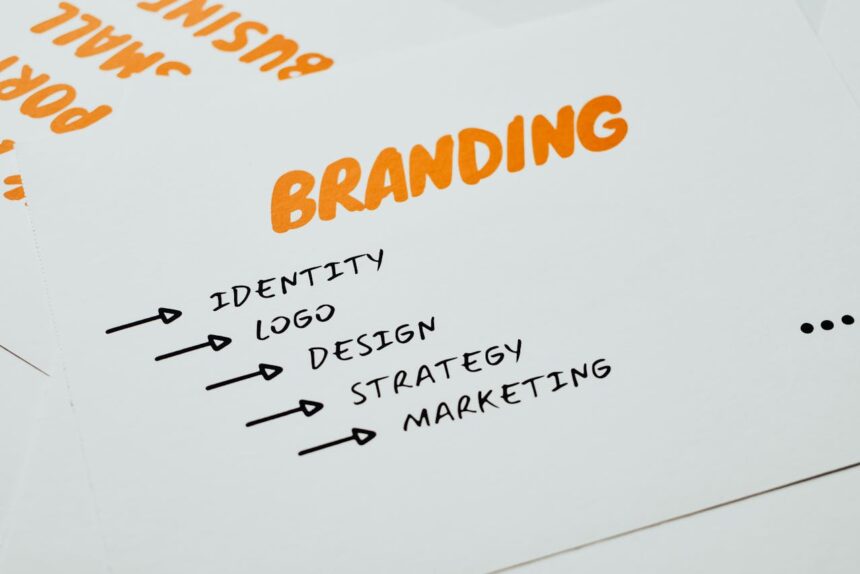
- Branding: A brand is more than a logo—it is your business’s identity, reputation, and the perception people have about you. Strong branding makes your business recognizable and trustworthy.
- Promotion: This covers the channels and methods used to communicate with your audience, including social media, search engines, email marketing, and traditional media.
- Sales Strategy: Marketing doesn’t end with awareness. It also involves converting interest into sales through targeted campaigns and persuasive messaging.
- Customer Relationship Management (CRM): Keeping track of interactions, feedback, and customer satisfaction ensures long-term loyalty and repeat purchases.
In 2026, marketing is increasingly data-driven. Businesses can now track customer behavior in real-time, analyze engagement metrics, and optimize campaigns with advanced tools.
Types of Marketing in 2026
Marketing has evolved far beyond traditional advertising. Today, there are multiple strategies that businesses can use depending on their goals and audience.
- Digital Marketing: The most widely used type of marketing today, digital marketing leverages online platforms such as social media, websites, email campaigns, and search engines to reach audiences. Tools like AI-driven analytics help marketers target the right people at the right time.
- Content Marketing: This approach focuses on providing value through blog posts, videos, podcasts, and infographics. Instead of pushing products, content marketing educates and informs, helping potential customers trust your brand.
- Influencer Marketing: Collaborating with influencers allows businesses to reach highly engaged audiences. Influencers act as trusted voices, recommending products or services to their followers in an authentic way.
- Affiliate Marketing: This is a performance-based strategy where partners or affiliates promote your products in exchange for a commission on sales. It’s a cost-effective way to expand your reach.
- Experiential Marketing: Creating memorable experiences for customers helps form emotional connections with your brand. Examples include live events, interactive online experiences, or immersive campaigns.
- Sustainable Marketing: As consumers become more eco-conscious, promoting environmentally-friendly practices and products is not just ethical—it’s strategic.
Why Marketing is Important
Marketing is crucial because it directly impacts business growth and customer engagement. Here’s why:
- Brand Awareness: Without marketing, potential customers may never even know your business exists.
- Customer Acquisition: Marketing helps attract new customers and introduces them to your products.
- Revenue Growth: Effective marketing strategies increase sales and profitability.
- Customer Loyalty: Marketing nurtures relationships, encouraging repeat business and brand advocacy.
- Adaptability: Marketing helps businesses stay relevant by responding to market trends and customer preferences.
Even the best products can fail without effective marketing. In today’s competitive market, strategic marketing is essential for standing out.
Marketing Trends in 2026: What Beginners Should Know
Marketing is constantly evolving, and staying updated is vital for beginners. Here are the most important trends shaping marketing in 2026:
- AI and Automation: Artificial intelligence allows marketers to personalize messages, segment audiences, and predict consumer behavior. Automation tools streamline tasks like email campaigns and social media posting.
- Video and Interactive Content: Videos, live streams, and interactive content like quizzes and polls capture attention faster than static posts. Engaging visuals help convey messages more effectively.
- Voice Search Optimization: With smart speakers and AI assistants becoming common, optimizing content for voice search is increasingly important. This means using natural language and long-tail keywords.
- Data-Driven Marketing: Analytics tools allow marketers to track performance, measure ROI, and make informed decisions. Understanding metrics like click-through rates, engagement, and conversions is essential.
- Social Commerce: Social media platforms now allow direct purchases, making it easier for businesses to sell products where audiences are most active.
- Personalization: Customers expect tailored experiences. From product recommendations to personalized emails, marketing strategies must focus on individual preferences.
How to Start Learning Marketing as a Beginner
Getting started in marketing doesn’t require years of experience. Here are practical steps for beginners:
- Take Online Courses: Platforms like HubSpot Academy, Google Digital Garage, and Coursera offer free and paid courses tailored for beginners.
- Read Marketing Blogs: Follow blogs and newsletters from marketing experts to stay updated on trends and strategies.
- Practice with Small Projects: Start your own blog, manage a social media page, or run small ad campaigns. Real-world experience accelerates learning.
- Analyze and Optimize: Use analytics tools to track results and make improvements. Learning from data is key to becoming an effective marketer.
- Join Communities: Engage in marketing forums or social media groups. Networking with other marketers can provide insights and support.
Conclusion
Marketing in 2026 is more dynamic and complex than ever, combining creativity, technology, and data-driven insights. Understanding what marketing is, how it works, and the strategies available is essential for beginners who want to grow a business, build a career, or launch a personal brand.
By learning the fundamentals, staying updated with trends, and practicing real-world strategies, anyone can become proficient in marketing. Remember, marketing is not just about selling—it’s about connecting with people, providing value, and building lasting relationships.
Marketing is the bridge between your business and the people who need it most. Start learning, experimenting, and growing today, and you’ll see how powerful marketing